
Fraudsters generally have one objective: gaining access to your money, personal information or digital applications. They often exploit trust, fear and a sense of urgency to pressure you into acting quickly.
But what should you do if you suspect you have been scammed, transferred money or shared sensitive information? Acting quickly is crucial to help limit further damage.
Fraudstop: support for private individuals affected by online fraud
Since June 2026, consumers who have fallen victim to online fraud or suspect that they may have been targeted can contact Fraudstop.
Fraudstop is a central telephone number available 24 hours a day, 7 days a week if you suspect online fraud: 078 170 170.
The initiative was launched by Febelfin in cooperation with the authorities and deliberately uses the same telephone number as Card Stop. This means you do not have to search for or remember a new number during a stressful situation.
Fraudstop helps you quickly take the necessary steps with your bank. Depending on your bank, a notification will automatically be sent or you will be connected directly to your bank's fraud department.
When should you call Fraudstop?
Do not wait until you are certain that you have been scammed. Contact Fraudstop immediately if, for example, you notice that money has been stolen from your account, you have shared security codes, confirmed a suspicious action via itsme® or suspect that your bank details are being misused.
Even if you only realise afterwards that a phone call, email or message was suspicious, it is advisable to act quickly.
Not sure? Don't wait. The sooner fraud is reported, the greater the chance of limiting further damage.
What should you do if you are a victim of online fraud?
Fraudstop recommends taking several important steps following fraud or suspected fraud.
1. Call Fraudstop immediately
Call 078 170 170. The service is available 24/7 and helps you take the necessary security measures with your bank as quickly as possible.
2. Gather as much information as possible
Keep all information relating to the fraud. This may include account numbers, bank statements, suspicious transactions, emails, text messages, websites and the fraudster's contact details.
Do not immediately delete suspicious messages. They may later provide important evidence.
3. Report the fraud to the police
Take the information you have collected with you and report the incident to the police. They will draw up an official police report with you.
Fraudstop or Card Stop: which one should you call?
Fraudstop and Card Stop can be reached via the same telephone number, but they are intended for different situations.
Do you suspect online fraud or have you shared bank details or security codes, for example? Contact Fraudstop.
Have you lost your bank card or a device with payment capabilities, or has it been stolen? Card Stop allows you to block your means of payment.
In both cases, call 078 170 170.
How can you recognise online fraud?Fraudsters are becoming increasingly convincing. An email, text message or phone call may appear completely legitimate at first glance. Be particularly cautious if someone unexpectedly asks you to:
Fraudsters often try to create a sense of urgency. For example, you may be told that your account needs to be blocked immediately or that you must act quickly to prevent losing money. Does something feel suspicious? Stop what you are doing and verify who you are dealing with through an official channel first. | 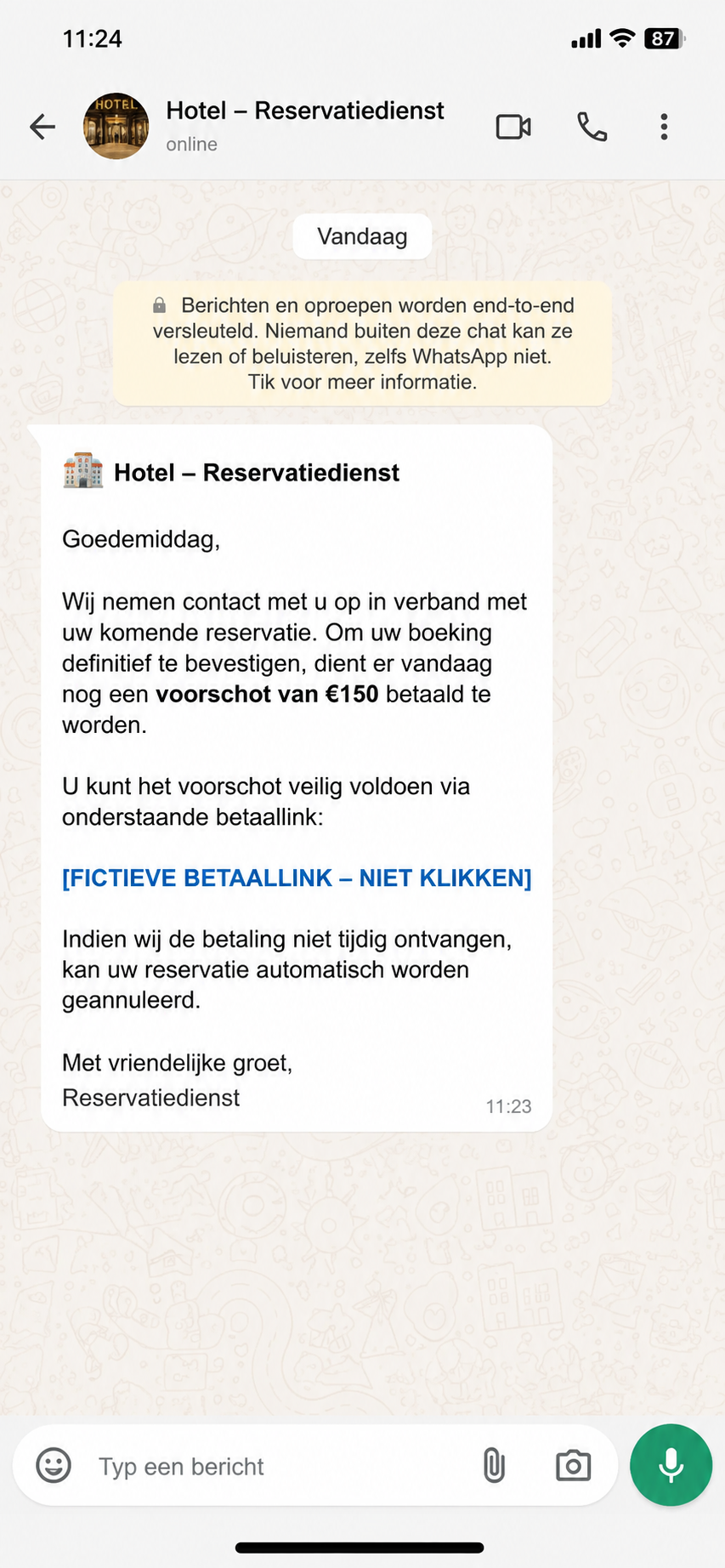
|
|---|
Van Dessel is also here to help
Fraud, phishing and social engineering can affect anyone. Prevention therefore remains extremely important, but knowing what to do when something goes wrong can also make a significant difference.
If you suspect online fraud, we recommend contacting Fraudstop as quickly as possible on 078 170 170. This allows the necessary steps with your bank to be initiated immediately.