The financial impact can be significant, especially when theft occurs repeatedly or goes unnoticed.
Where and how fuel theft happens
Fuel theft can occur in various ways. For trucks, it often happens while parked, for example, in parking lots or on company premises. Tanks are manually drained, often quickly and without leaving any traces.
At companies with fixed storage tanks, a similar approach is seen. Access to the facility, limited security, or a lack of monitoring makes it possible to remove fuel unnoticed. What characterizes this form of theft is the ease with which it can take place and the fact that it is not always immediately detected.
The impact goes beyond the fuel itself
The direct damage consists of the loss of fuel, but it rarely stops there. In many cases, there is also additional damage or disruption:
- Vehicles that are not operational
- Damaged tanks or pipelines
- Operational delays
- Extra administrative follow-up
When theft is repeated, costs can quickly rise and become a structural problem.span>
Prevention and control: where you make the difference
Because fuel theft often happens opportunistically, the main leverage lies in prevention and monitoring. A combination of physical security and internal control can significantly reduce the risk.
For vehicles:
- Preferably park in well-lit and secured locations
- Avoid extended stops in remote places
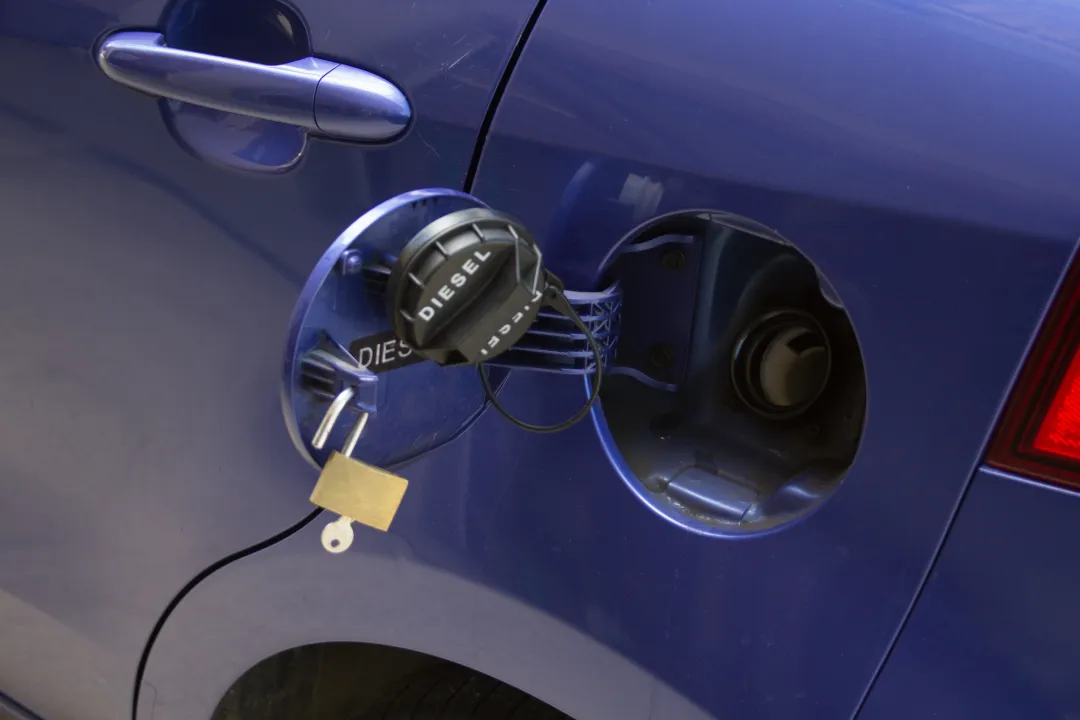
- Use lockable or secured fuel caps
- Consider additional security such as alarm systems
For storage facilities:
- Ensure physical shielding of tanks
- Limit access to authorized personnel
- If possible, install camera surveillance or access control
- Monitor fuel levels and detect anomalies in a timely manner
In addition, internal vigilance is also important. Regular inspections
and a good overview of consumption help to detect irregularities more quickly and to intervene where necessary.
A risk that demands attention
Fuel theft is difficult to exclude completely, but it does deserve the necessary attention within your organization.
By taking targeted measures and staying alert, you not only reduce the chance of incidents, but also limit the impact when they do occur.